Workplaces today are often defined by deadlines, performance targets, and constant pressure. Yet behind the daily routine, small acts of kindness continue to shape how people experience their jobs and connect with colleagues.
Recent stories shared across workplaces highlight a growing recognition that empathy is not just a personal trait—it is becoming an essential part of healthy work culture. These moments, though simple, demonstrate how supportive actions can influence morale, productivity, and long-term trust.
Why Kindness Is Becoming a Workplace Strength

Many organizations are now realizing that teamwork goes beyond task completion. Emotional support and mutual respect often determine whether teams perform well under pressure or struggle to stay motivated.
Kindness at work can take many forms—from mentoring new employees to offering help during stressful moments. These gestures rarely make headlines, but they often leave lasting impressions on those who receive them.
Real-Life Workplace Kindness at a Glance
| Situation | Kind Action Taken | Immediate Impact | Long-Term Effect |
|---|---|---|---|
| Covering extra shifts | Anonymous colleague reported extra work | Policy review initiated | Fairer overtime recognition |
| Long hospital shift | Coworker shared homemade food | Restored energy | Strengthened teamwork bond |
| Mistake in professional report | Mentor offered guidance | Reduced stress | Improved confidence |
| Missed deadline | Coworker brainstormed solutions | Quick recovery | Built trust between colleagues |
| First-day accident | Team helped reorganize items | Prevented embarrassment | Boosted workplace comfort |
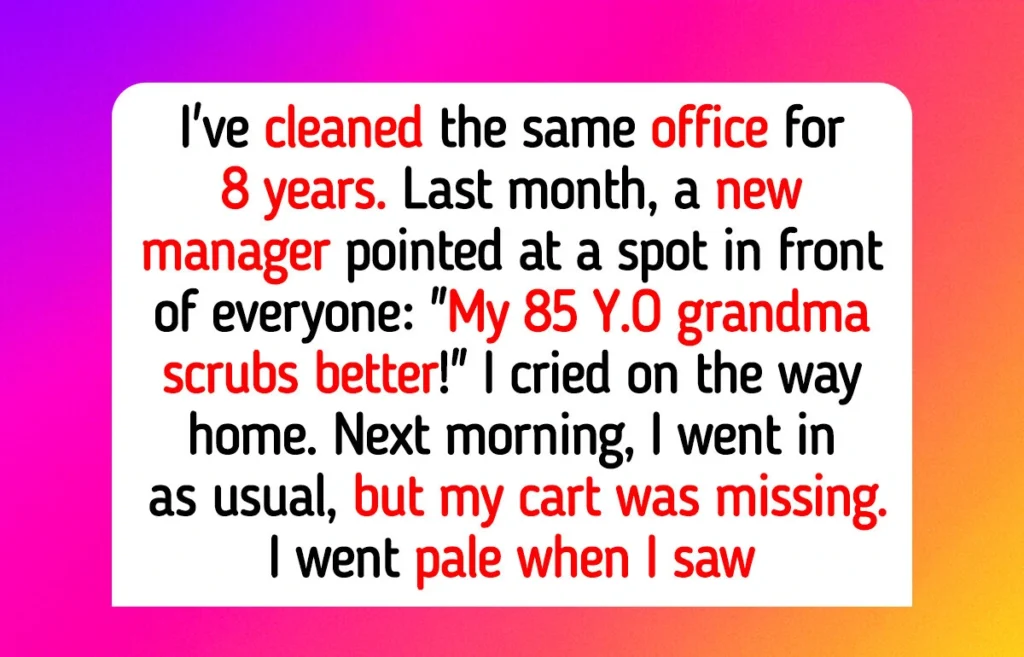
| Public criticism incident | Staff signed appreciation card | Emotional reassurance | Reinforced employee loyalty |
Moments That Show Support Matters Most
Recognition That Comes From Unexpected Places
Sometimes appreciation arrives quietly but makes the biggest difference. One employee who spent months covering extra duties was initially dismissed during a review. Soon after, an anonymous colleague documented their extra effort, prompting management to reconsider policies and grant overdue recognition.

This kind of behind-the-scenes support shows how advocacy within teams can influence workplace systems in meaningful ways.
Help During High-Pressure Situations
Stressful environments often reveal the true character of coworkers. In fast-paced settings such as hospitals or kitchens, small gestures like sharing food or assisting with cleanup can shift an exhausting shift into a manageable one.
These actions reinforce the idea that professional success often depends on teamwork rather than individual performance alone.
How Mentorship Builds Confidence Instead of Fear
Turning Mistakes Into Learning Opportunities

Errors at work are unavoidable, especially for newcomers. What defines workplace culture is how leaders respond to those moments.
In several cases, mentors chose patience over criticism. By reviewing mistakes calmly and sharing their own past experiences, they created learning environments where employees felt supported instead of discouraged.
This approach often results in stronger performance and long-term growth.
Encouragement That Builds Trust
Simple words of reassurance can shape how employees perceive their roles. Whether it’s helping pick up dropped files or reassuring someone after a missed task, these small acts signal respect and understanding.
Employees who feel valued are more likely to stay engaged and motivated.
Teamwork That Strengthens Workplace Relationships
Support Beyond Job Responsibilities
Some stories highlight kindness that extended beyond daily tasks. Colleagues organized appreciation gestures, left thoughtful messages, or stepped in to complete unfinished work without expecting recognition.
These moments demonstrate that workplace relationships can evolve into genuine friendships when empathy becomes part of the culture.
Quiet Acts That Leave Lasting Impact
Not all support is visible at first glance. In one case, a coworker who once seemed critical later provided unexpected help during a recovery period, quietly managing daily responsibilities without seeking attention.
Such gestures highlight how kindness often appears when it matters most.
Why These Stories Reflect a Larger Workplace Shift
The renewed attention on empathy and collaboration suggests a shift in how people define professional success. Performance metrics remain important, but human connection is becoming equally valued.
Organizations that encourage supportive environments often see improvements in employee satisfaction and retention. Workers who feel respected are more likely to contribute creatively and stay committed to shared goals.
The Lasting Value of Everyday Kindness
These workplace moments illustrate a simple but powerful truth: small acts of care can shape careers, strengthen teams, and improve daily experiences.
While technology and efficiency continue to evolve, kindness remains one of the most reliable ways to create positive workplaces. Even brief gestures—a helping hand, a thoughtful message, or a moment of patience—can influence how people feel about their jobs long after the workday ends.