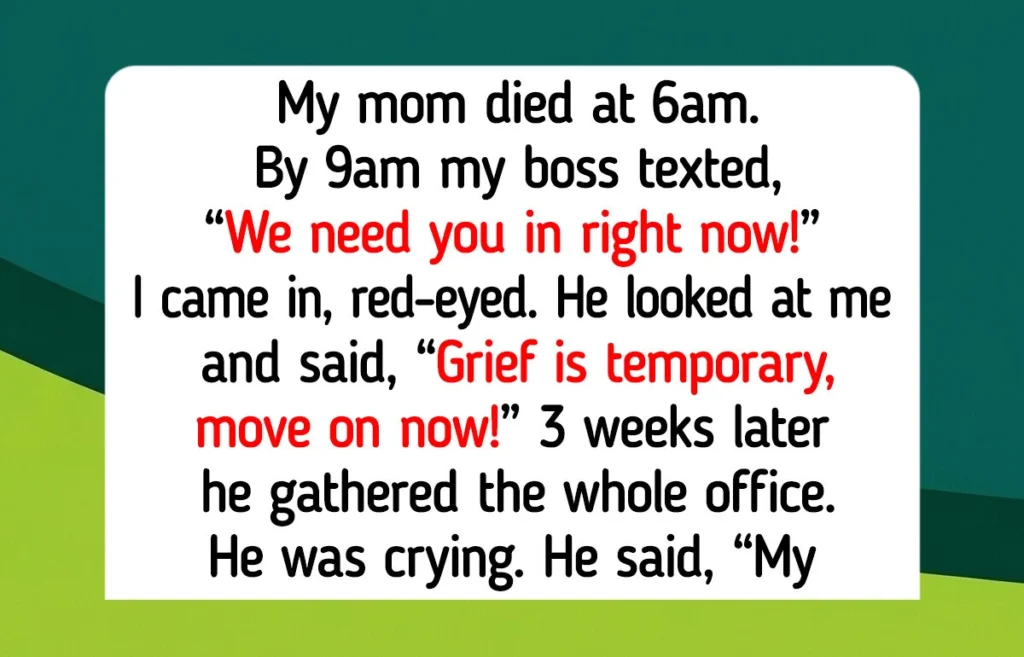
Kindness in the workplace is gaining renewed attention as companies rethink leadership, teamwork, and employee wellbeing. Across industries, professionals are recognizing that empathy is not just a personal trait—it is a workplace skill that shapes productivity, loyalty, and long-term satisfaction.
Recent experiences shared by employees highlight a growing shift in office culture. Managers and colleagues who show understanding during difficult moments often build stronger teams and more resilient organizations. These real-life workplace situations show how compassion continues to influence professional success in meaningful ways.
Why Empathy Is Becoming a Core Workplace Skill

Organizations today operate under intense pressure, tight deadlines, and constant change. In this environment, employees remember how leaders respond during personal or professional setbacks more than any policy or memo.
Small gestures—whether a thoughtful phone call or supportive feedback—can change how employees perceive their workplace. Over time, these actions help create trust, strengthen morale, and improve performance across teams.
Real Workplace Moments That Made a Lasting Difference
| Workplace Situation | Compassionate Action | Immediate Effect | Long-Term Impact |
|---|---|---|---|
| Personal grief at work | Employee offered support to a struggling manager | Emotional relief | Improved leadership empathy |
| Layoff notification | Manager personally called team members | Reduced shock and isolation | Stronger professional respect |
| Job rejection | Hiring manager provided detailed feedback | Increased motivation | Successful future hiring |
| Career reference concern | Former boss gave fair recommendation | Reduced anxiety | New job opportunity secured |
| Salary negotiation | Employer advocated internally for candidate | Better compensation | Long-term employee loyalty |
| Workplace mistake | Manager took responsibility publicly | Reduced fear | Stronger employee growth |
| Financial hardship | Leader normalized sharing leftover food | Preserved dignity | Improved team cohesion |
Leadership Lessons From Difficult Moments
Responding to Personal Loss With Understanding
Workplaces often reveal their true culture during times of grief or crisis. In one situation, a professional who had once received insensitive comments later chose compassion when their manager faced personal hardship.

That response changed the dynamic within the team. Over time, leadership became more patient and supportive, proving that empathy can reshape management behavior.
Handling Layoffs With Humanity
Layoffs remain one of the most difficult realities in corporate life. Yet the way they are communicated makes a lasting difference.
Some leaders choose to personally inform employees before automated notices are delivered. That simple step allows individuals to process the news with dignity and reinforces respect, even during challenging decisions.
Career Growth Driven by Thoughtful Mentorship
Honest Feedback After Rejection

Receiving a rejection is often discouraging, but constructive feedback can turn disappointment into opportunity.
Hiring managers who take time to explain strengths and areas for improvement help candidates prepare for future success. In many cases, this guidance leads to eventual hiring when the right role becomes available.
Fair References That Protect Careers
Professional reputations can hinge on references. When former supervisors choose fairness over judgment, they protect the long-term careers of employees who may have made short-term mistakes.
Such decisions reflect leadership maturity and reinforce trust within professional networks.
Everyday Acts That Strengthen Workplace Culture
Supporting Colleagues Without Recognition
Not all acts of kindness are visible. Some leaders quietly adjust team routines to support struggling employees without drawing attention to their circumstances.
For example, encouraging shared meals or providing extra resources can help colleagues facing financial challenges without exposing their difficulties.
Standing Behind Employees After Mistakes
Errors are inevitable in fast-paced workplaces. The response from leadership determines whether those mistakes become learning opportunities or lasting setbacks.
Managers who take responsibility publicly while coaching privately create an environment where employees feel safe to grow and improve.
The Role of Respect in Building Lasting Loyalty
Advocating for Fair Compensation
Salary discussions often define how valued an employee feels. Leaders who actively negotiate better terms on behalf of candidates demonstrate commitment before the first day of work even begins.
This early support often translates into higher engagement and long-term loyalty.
Encouraging Growth Through Honest Conversations
Sometimes the most meaningful workplace support comes through simple conversations. A few minutes of guidance can help employees identify new paths, build confidence, and prepare for future opportunities.
These moments rarely make headlines, but they often shape entire careers.
Why Kindness Continues to Define Workplace Success
Across industries, one consistent theme stands out: people remember how they were treated during their most vulnerable moments.
Technology continues to transform workplaces, but human connection remains essential. Leaders who prioritize empathy build stronger teams, while employees who support one another create more resilient environments.
These workplace stories reflect a larger shift toward valuing emotional intelligence as a critical component of professional success. In today’s evolving work culture, compassion is not just appreciated—it is becoming a defining factor in long-term happiness and career growth.